

Get local help for Water damage in Seattle WA with careful drying, cleanup, and repair from North Cascades Concrete. Call today for honest guidance right now.
A small stain on the ceiling can turn into a bigger problem fast, especially after a long Seattle rain. Water damage in Seattle WA often starts quietly behind walls, under flooring, or around foundation edges before homeowners see clear signs. North Cascades Concrete helps property owners understand what caused the moisture, how far it spread, and what steps can protect the structure. Whether the issue comes from a burst pipe, roof leak, storm runoff, or flooded lower level, fast inspection and proper drying matter. Waiting too long can lead to mold, damaged framing, soft drywall, and expensive repairs.
What This Service Is
Water damage service focuses on finding moisture, stopping the source, drying affected areas, and repairing damaged materials. A skilled water damage contractor does more than remove visible water. They inspect walls, floors, trim, insulation, crawl spaces, concrete surfaces, and foundation areas to see where moisture traveled. This matters because water often moves farther than homeowners expect.
In Seattle WA, we’ve noticed that most homeowners first check the obvious places, such as carpets or ceilings, but miss moisture trapped behind baseboards and lower wall cavities. That hidden moisture can cause odors, staining, and mold concerns later. North Cascades Concrete looks at both the surface damage and the building materials underneath.
The process may include moisture meters, air movers, dehumidifiers, floor drying systems, controlled demolition, and repair planning. If the damage involves concrete floors, basement walls, or entry slabs, the inspection also checks cracks, drainage paths, and surface deterioration.
The Real Challenge in Seattle WA
Seattle homes face a steady moisture load because of frequent rain, older drainage systems, shaded lots, and basements built near sloped ground. Water can enter through roof edges, window wells, aging supply lines, exterior grading issues, or foundation cracks. Once moisture reaches drywall, wood framing, flooring adhesive, or insulation, it can keep spreading even after the rain stops.
A client in Seattle WA reached out when they noticed a musty smell near a finished basement wall. The carpet felt dry, but a moisture reading showed damp material behind the trim. After removing a small section, the team found water entering near a foundation joint during heavy rain. Early action helped prevent wider flood damage restoration work.
One concern homeowners often raise is whether they really need professional help if the area looks dry. The honest answer depends on what got wet, how long it stayed wet, and whether porous materials absorbed moisture. North Cascades Concrete helps homeowners avoid unnecessary work while still taking hidden damage seriously.
How North Cascades Concrete Approaches It Differently
North Cascades Concrete starts with the source, not just the symptom. If water keeps entering, drying the room only buys time. The team checks plumbing, exterior drainage, slab edges, wall cracks, grading, and nearby concrete surfaces before recommending water damage repair services in Seattle WA. This approach helps reduce repeat problems after cleanup.
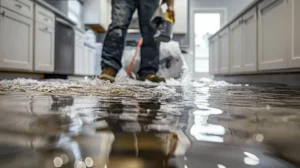
The process usually begins with inspection and moisture mapping. Then the team removes standing water, starts controlled drying, protects unaffected areas, and identifies materials that can stay versus materials that need removal. Emergency water damage cleanup may include extraction, dehumidification, sanitation, and safe disposal of damaged drywall, pad, trim, or insulation.
One practical insight many generic guides miss is that concrete can hold moisture and release it slowly. A basement slab may feel dry on top while still feeding moisture into flooring or wall base plates. North Cascades Concrete pays close attention to slab moisture, cracks, and drainage conditions before repairs begin. That extra step helps homeowners make better decisions about flooring, coatings, and long-term protection.
Practical Tips Before You Decide
Working with clients in Seattle WA, our team found that many water issues become worse because people clean the surface first but wait too long to inspect the hidden areas. Towels, fans, and shop vacs can help with light spills, but they cannot confirm whether moisture reached drywall cavities, subfloors, or insulation.
Before choosing a service provider, ask how they check moisture levels, what equipment they use, and whether they explain repair options clearly. A dependable water damage contractor should tell you what needs immediate attention and what can wait. They should also separate cleanup from repair planning so you understand each step.
For local homes, pay close attention after heavy rain, plumbing backups, appliance leaks, or sump pump problems. Check baseboards, closets, corners, crawl space access points, and rooms below bathrooms or kitchens. If you notice bubbling paint, soft flooring, musty odors, or recurring stains, call for emergency water damage cleanup before the damage spreads.
Get Your Seattle Home Dry and Safe Again
Water problems rarely improve on their own. Fast action protects framing, flooring, concrete surfaces, and indoor air quality. North Cascades Concrete provides careful Water damage service in Seattle WA with practical inspection, cleanup, drying, and repair guidance. If your home has leaks, stains, flooding, or hidden moisture concerns, contact North Cascades Concrete today and get clear help before the problem grows.
Frequently Asked Questions
How quickly should I call for emergency water damage cleanup?
You should call as soon as you notice standing water, wet drywall, soaked flooring, or a musty smell. Emergency water damage cleanup works best within the first day because moisture spreads fast into trim, insulation, and subfloors. Quick drying can reduce mold risk and repair costs.
What does flood damage restoration usually include?
Flood damage restoration may include water extraction, debris removal, drying equipment, sanitation, moisture testing, and damaged material removal. The exact steps depend on the water source and how long the area stayed wet. A proper inspection helps decide what can dry safely and what needs replacement.
How much do water damage repair services cost?
Water damage repair services vary based on the source, affected area, materials, drying time, and repair needs. A small appliance leak may cost much less than a flooded basement. The best first step is an inspection so you receive a clear scope before work begins.
How do I know if a water damage contractor is legitimate?
A legitimate water damage contractor should explain the process, inspect hidden moisture, use proper drying equipment, and provide clear documentation. They should answer questions without pressure. North Cascades Concrete focuses on honest findings, practical repair planning, and clear communication for Seattle homeowners.
Can I handle minor water damage myself?
You can clean small spills on hard surfaces if the water source stops quickly. Still, call a professional if moisture reaches drywall, carpet padding, wood flooring, insulation, or concrete cracks. Hidden moisture can stay trapped and lead to odors, mold, and structural concerns later.