
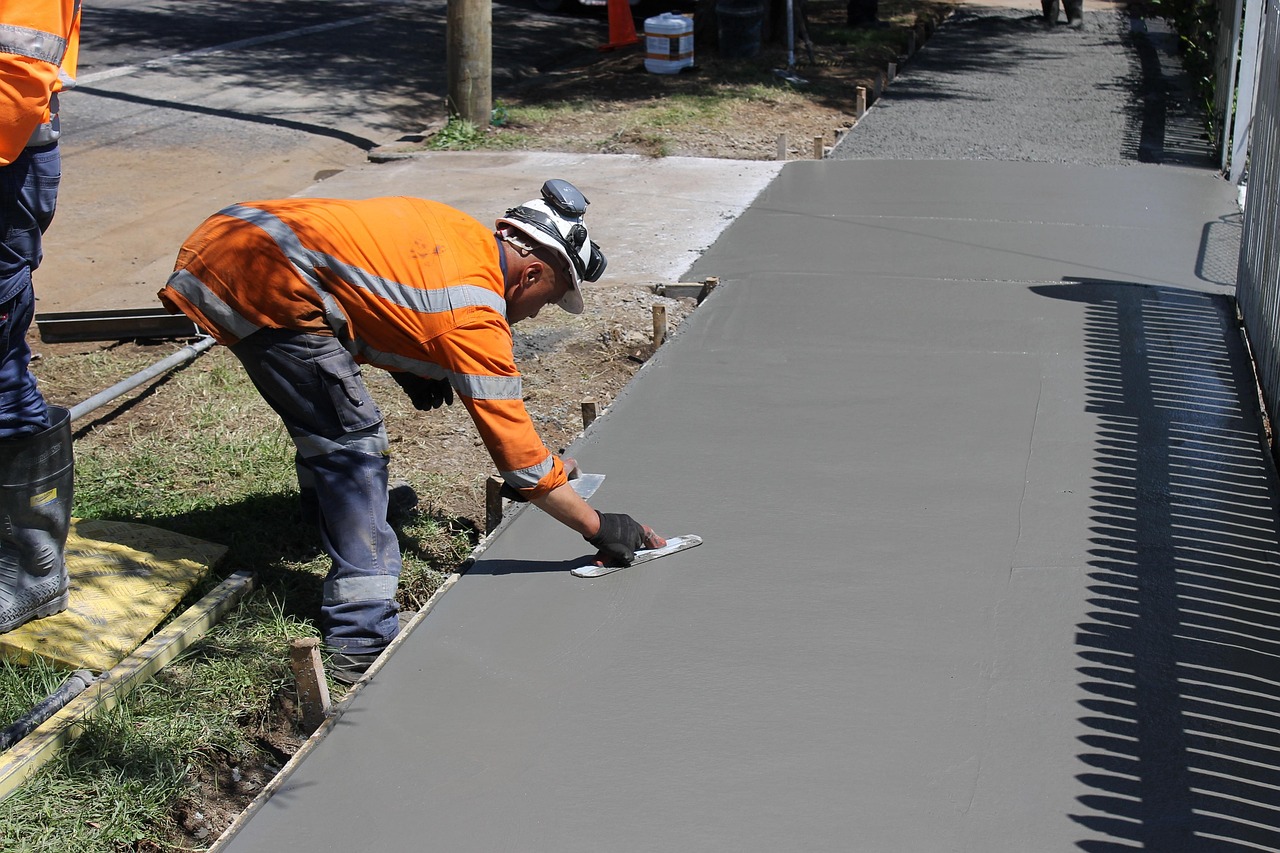
A concrete surface should stay strong for decades, but many homeowners around Seattle discover cracks, drainage issues, or uneven settling much sooner than expected. Choosing Main concrete is about more than pouring cement—it’s about preparing the site correctly and building for local conditions. At North Cascades Concrete, we believe the foundation of any successful project starts long before the first truck arrives.
What Main Concrete Means for Homes Around Seattle
Concrete serves as the backbone of many residential properties, from driveways and patios to walkways, garage slabs, and retaining structures. A quality installation depends on careful excavation, soil preparation, reinforcement, proper grading, and curing. Skipping any of these steps often shortens the life of the finished surface.
Many property owners searching for Best Main Concrete Services focus on appearance first. While the finish certainly matters, the unseen work beneath the slab has a much greater effect on long-term performance. Proper compaction, moisture control, expansion joints, and reinforcement help reduce movement as seasons change.
In Seattle, we’ve noticed that most homeowners underestimate how much rainfall influences concrete performance. Water that remains trapped beneath a slab gradually weakens the supporting soil, leading to settlement, surface cracks, and drainage problems. Planning for water movement before construction begins often saves significant repair costs years later.
Concrete also offers flexibility in design. Homeowners can choose broom finishes for traction, exposed aggregate for texture, decorative borders, stamped patterns, or smooth finishes depending on the intended use. Each finish has advantages, but durability always begins with proper preparation rather than surface appearance alone.
The Real Challenge in Seattle’s Climate
Seattle’s long rainy seasons create conditions that require thoughtful planning before any slab is poured. Saturated soil, frequent moisture, tree roots, and sloped properties can all affect stability if they are not addressed during construction.
A client in Seattle, WA reached out after noticing water collecting along the edge of a newly installed driveway completed by another contractor. Although the concrete itself appeared solid, the grading directed runoff toward the home instead of away from it. After correcting the drainage, improving the base, and replacing the affected section, the property no longer experienced standing water during heavy rain.
One objection many homeowners have is simple: “If concrete always develops small cracks, why pay more for better installation?” Few articles answer that honestly. Hairline shrinkage cracks can occur naturally in almost any slab, but wide structural cracks caused by poor preparation are a completely different issue. Quality workmanship cannot promise perfect concrete forever, but it greatly reduces preventable failures.
Many homeowners also search for Concrete Driveway Installation because they assume replacing an old driveway automatically solves drainage problems. In reality, replacing concrete without correcting grading or unstable soil often leads to the same issues returning several years later.
Another question competitors often avoid is whether every crack requires replacement. The truthful answer is no. Some cosmetic cracks remain stable for decades, while others indicate movement beneath the slab. Understanding the difference helps homeowners spend money where it actually matters.
How North Cascades Concrete Approaches Each Project
Every property has different soil conditions, drainage patterns, and structural needs. Instead of relying on a one-size-fits-all process, North Cascades Concrete evaluates each site before recommending the appropriate preparation methods.
A careful inspection includes checking existing grades, identifying drainage concerns, measuring slope, reviewing access for equipment, and determining the appropriate base depth. Reinforcement, expansion joint placement, and curing schedules are planned before concrete arrives rather than decided during the pour.
One area often missing from generic articles is curing. Many people assume concrete reaches full strength within a day or two because it becomes hard enough to walk on. In reality, concrete continues gaining strength for weeks. Protecting fresh surfaces from rapid drying, heavy traffic, and unnecessary loads during early curing has a direct effect on durability.
Projects involving Expert Concrete Contractors near me also benefit from planning around Seattle’s weather. Rain forecasts influence scheduling, finishing techniques, and curing protection. Adjusting the timeline rather than rushing a pour often produces a stronger finished product.
Another overlooked insight involves expansion joints. Many homeowners think these cuts are defects, but they actually guide natural movement into controlled locations. Without properly spaced joints, concrete often forms unpredictable cracks where stress builds naturally.
Practical Tips Before Starting Your Concrete Project
Preparing for a concrete project begins well before selecting colors or finishes. Asking the right questions during planning helps avoid expensive surprises later.
Working with clients in Seattle, our team found that homeowners who discuss drainage first usually experience fewer long-term maintenance issues. Water management rarely attracts attention during planning, yet it influences nearly every aspect of concrete performance.
Ask your contractor how deep the existing soil will be excavated and what type of crushed base will be installed. A stable foundation supports the slab far better than simply increasing concrete thickness.
If your project includes outdoor living space, consider Concrete Patio Installation with proper slope away from the home. Even a beautifully finished patio becomes frustrating if rainwater collects after every storm.
Homeowners should also ask about reinforcement options. Depending on the application, welded wire mesh, rebar, or fiber reinforcement may be appropriate. Each serves different purposes, and the right choice depends on expected loads and site conditions rather than a universal rule.
Another local tip involves scheduling. Seattle weather can change quickly, especially during transitional seasons. Allowing flexibility in the construction schedule often produces better results than insisting on a fixed pour date despite unfavorable conditions.
Finally, remember that maintenance begins immediately after installation. Keeping joints clean, sealing concrete when appropriate, avoiding deicing chemicals during the curing period, and directing sprinklers away from slab edges all contribute to a longer service life.
Building Concrete That Performs for Years
Choosing quality workmanship means looking beyond the finished surface and understanding everything happening underneath it. North Cascades Concrete provides Top Main concrete services throughout Seattle, WA and the surrounding 100-mile area with careful attention to preparation, drainage, and long-term performance. Taking time to evaluate your property before construction begins is one of the smartest investments you can make for a project that stays dependable for many years.
FAQs
How much does a residential concrete project cost in Seattle, WA?
Pricing depends on project size, site preparation, access, drainage work, reinforcement, and finish selection. A simple walkway costs much less than a driveway requiring excavation and grading. The most accurate estimate comes from an on-site evaluation because every property presents different conditions.
How do I know if a concrete contractor is legitimate?
Check for licensing, insurance, local references, recent completed projects, and clear written estimates. A trustworthy contractor explains the installation process, discusses site preparation honestly, and answers questions about materials without avoiding details or rushing you into a decision.
How long should new concrete cure before I use it?
Light foot traffic is often acceptable after about 24 to 48 hours, depending on weather. Vehicles usually require a longer waiting period, commonly around seven days or more. Concrete continues gaining strength for several weeks, so following curing recommendations helps maximize durability.
Does Seattle’s rainy weather damage newly installed concrete?
Rain itself does not automatically ruin concrete, but heavy rainfall during placement or poor drainage afterward can create problems. Proper scheduling, curing protection, and grading help prevent surface defects while reducing the risk of settlement caused by water beneath the slab.
Can old concrete always be repaired instead of replaced?
Not always. Surface discoloration, small chips, or minor cracks can often be repaired. If the slab has widespread settling, severe structural cracking, or unstable soil underneath, replacement usually provides a safer and longer-lasting solution than repeated patching.