
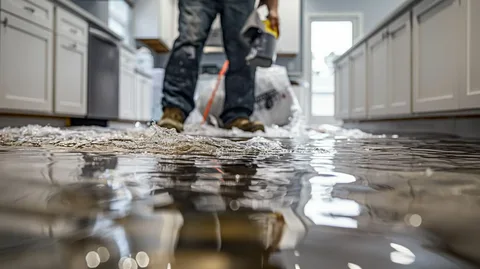
A burst pipe during a freezing winter night or a slow leak hidden behind a wall can quickly turn into a major home problem. In Northern Washington, moisture issues often worsen because of heavy rainfall, damp conditions, and older building systems. North Cascades Concrete shares this local perspective on water damage restoration to help homeowners understand what happens after water enters a property and what steps matter most.
Water problems are rarely limited to visible puddles. Water can move behind drywall, beneath flooring, and into insulation before the damage becomes obvious. Acting early helps reduce repair costs, prevent structural concerns, and limit the chance of mold growth.
What Water Damage Restoration Involves for Northern Washington Homes
Best Water Damage Restoration is the process of removing moisture, drying affected areas, repairing damaged materials, and returning a property to a safe condition. It often begins with a detailed inspection using moisture meters, thermal imaging tools, and visual checks to locate areas that may not be immediately visible.
For homes across Northern Washington, restoration work can involve water extraction, drying equipment placement, damaged material removal, and repairs to affected surfaces. Depending on the situation, professionals may handle issues involving concrete slabs, flooring systems, drywall, insulation, and drainage areas.
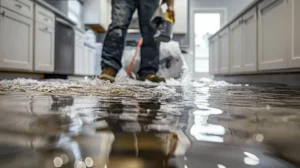
In Northern Washington, we’ve noticed that most homeowners underestimate how quickly moisture spreads after a leak. A small amount of standing water can move into cracks, porous materials, and unfinished spaces within hours, especially during the region’s wet seasons.
Many property owners assume drying the visible area is enough. However, moisture trapped beneath flooring or inside walls can continue causing problems long after the surface appears dry. Proper inspection is what separates temporary cleanup from a lasting repair.
The Real Challenge of Water Damage in Northern Washington
Northern Washington homes face several moisture-related challenges. The region’s frequent rain, colder temperatures, and seasonal storms create conditions where leaks and flooding can become recurring concerns. Homes with older roofs, aging plumbing, or poor drainage around foundations may face higher risks.
A common concern homeowners have is whether they need professional help or if they can handle the cleanup themselves. Small spills may be manageable, but larger incidents involving contaminated water, structural materials, or hidden moisture usually require specialized equipment and experience.
A client in Northern Washington reached out when they noticed a damp smell coming from a basement wall after several days of heavy rain. The visible issue looked minor at first, but inspection showed moisture had reached behind the finished surface. The affected materials were removed, the area was dried properly, and repairs prevented a larger problem from developing.
Another issue many companies fail to explain is that water damage does not always show immediate signs. A property may look fine while moisture continues affecting wood framing, concrete surfaces, or insulation. Waiting for stains or visible mold can allow the damage to become more expensive.
For homeowners dealing with serious flooding, Flood Damage Restoration in Northern Washington may involve removing damaged materials, sanitizing affected areas, and repairing sections of the property that cannot be saved.
How North Cascades Concrete Approaches Water Damage Recovery
A strong restoration process starts with understanding the source of the problem. North Cascades Concrete focuses on evaluating affected areas, identifying moisture concerns, and determining the right repair approach for properties throughout Northern Washington.
The first step is usually an assessment of the affected space. This includes checking moisture levels, reviewing damaged materials, and determining whether repairs require drying, removal, or rebuilding. A careful evaluation helps avoid unnecessary work while ensuring hidden issues are addressed.
Many generic articles about restoration focus only on emergency response but overlook what happens afterward. Long-term results depend on proper drying, material selection, and attention to the original cause of the damage. Fixing the surface without addressing the moisture source can lead to repeated problems.
Working with clients in Northern Washington, our team found that many homeowners want clear answers about what can be repaired and what needs replacement. They often worry that every damaged area must be completely rebuilt, but the right evaluation can identify which materials are salvageable.
The restoration process may include industrial air movers, dehumidifiers, moisture monitoring, surface repairs, and coordination with other trades when needed. For properties affected by leaks or flooding, a qualified water damage contractor can help organize the work from initial inspection through final repairs.
Practical Tips: What to Know Before You Decide
Choosing the right approach after water damage starts with knowing what questions to ask. Homeowners should look for clear explanations about the cause of the issue, expected repair steps, drying methods, and the timeline for completion.
In Northern Washington, we’ve noticed that most homeowners benefit from checking drainage patterns around their property before problems occur. Gutters, downspouts, grading, and foundation areas should direct water away from the structure rather than allowing it to collect near walls or concrete surfaces.
One local consideration is seasonal preparation. Before the rainy months arrive, inspecting roof areas, exterior drainage, plumbing connections, and basement spaces can reveal early warning signs. Small maintenance tasks often prevent larger repairs later.
Homeowners should also be cautious about companies that promise quick fixes without inspecting the affected area. Good repair work depends on understanding where moisture traveled, not just removing visible water.
For situations involving damaged materials and possible health concerns, Mold and Water Damage Repair may require additional steps beyond standard drying. Addressing moisture sources early reduces the conditions that allow mold to develop.
Before hiring help, consider asking:
- What equipment will be used for drying?
- How will hidden moisture be detected?
- Which materials can be repaired?
- What caused the water intrusion?
- How will future problems be prevented?
These questions help homeowners make informed choices and avoid repeated repair cycles.
Protecting Your Northern Washington Property After Water Intrusion
Water problems can affect more than a single room. They can impact flooring, walls, foundations, and personal belongings if moisture remains untreated. Understanding the warning signs and acting quickly can make recovery easier.
North Cascades Concrete provides water damage restoration support for Northern Washington properties with attention to proper assessment, repair needs, and local building conditions. If you notice signs of moisture intrusion, scheduling an inspection early can help identify the right next step before the issue grows.
FAQs
How quickly should water damage be addressed in Northern Washington?
Water damage should be checked as soon as possible after a leak, flood, or plumbing failure. Moisture can move into walls, flooring, and insulation faster than many homeowners expect. Early action helps reduce structural concerns and lowers the chance of additional problems caused by prolonged damp conditions.
How much does water damage restoration usually cost?
The cost depends on the size of the affected area, the type of water involved, damaged materials, and required repairs. Minor cleanup may be limited, while larger projects involving drying equipment, removal, and rebuilding can cost more. A proper inspection is needed for an accurate estimate.
Can I handle water cleanup myself?
Small spills may be manageable, but larger incidents often require professional equipment and experience. Water trapped behind walls, under flooring, or in insulation can remain hidden. Emergency water damage cleanup often involves moisture detection, drying tools, and proper sanitation methods that are difficult to achieve with household equipment.
How do I know a water damage company is trustworthy?
A reliable provider should explain the inspection process, repair steps, and expected timeline clearly. Look for experience, proper equipment, transparent communication, and reviews from local customers. A trustworthy team will focus on identifying the cause of the problem rather than only addressing visible damage.
Does water damage always require replacing materials?
Not every damaged material needs replacement. Some items can be dried and restored if they are addressed quickly and remain structurally sound. Professionals evaluate moisture levels, material condition, and safety concerns before deciding whether repair or replacement is the better option.