
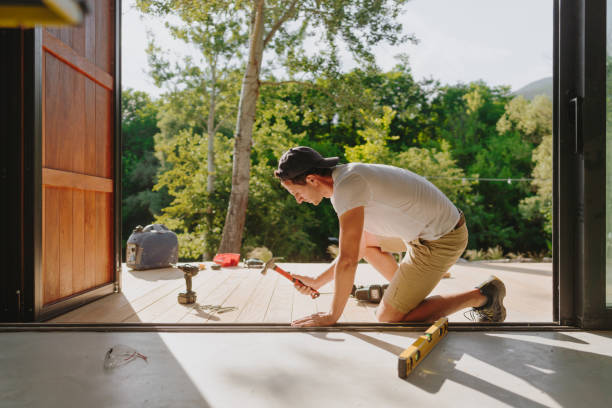
Plan patios installation in Eastern Washington with better drainage, control joints, and site prep. Get clear advice before choosing your patio contractor. A new patio should give you a place to relax, not become another surface you have to worry about every spring. For homeowners considering patios installation in Eastern Washington, the real decision is not just color or shape; it is how well the entire slab is prepared for local weather. North Cascades Concrete shares this practical perspective for homeowners planning an outdoor upgrade.
What Patio Installation Actually Involves
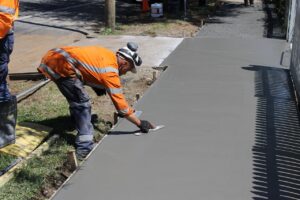
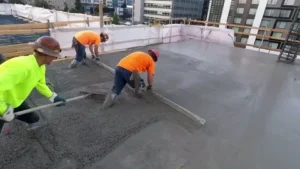
A quality patio starts long before the concrete truck arrives. The work typically includes measuring and laying out the area, removing unsuitable soil or old concrete, establishing drainage, preparing a compacted base, installing forms and reinforcement, placing the concrete, finishing the surface, cutting control joints, and allowing the slab to cure properly.
That process matters because a patio is only as reliable as the ground beneath it. A beautiful finish cannot compensate for soft soil, poor grading, inadequate compaction, or water collecting beside the slab.
In Eastern Washington, we’ve noticed that most homeowners initially focus on the visible parts of a patio: size, color, texture, and furniture placement. Those choices matter, but the less visible decisions often have a bigger effect on how the slab performs five or ten years later.
A basic broom-finished slab can be a smart choice for a low-maintenance entertaining area. Decorative options can include colored concrete, exposed aggregate, borders, or a Top Stamped Concrete Patio Services designed to resemble stone or brick.
The right design also considers how people will use the space. A dining table needs adequate circulation room. A grill needs safe clearance. A fire pit, hot tub, pergola, or outdoor kitchen can introduce additional loading and construction requirements.
The Real Challenge in Eastern Washington
Eastern Washington gives concrete contractors a very different set of conditions than milder parts of the Pacific Northwest. Spokane and surrounding communities experience recurring freeze-thaw cycles, and local geotechnical documentation specifically identifies frost-susceptible soils as a concern for concrete flatwork such as patios.
That makes water management one of the most overlooked parts of a patio project. Water that reaches cracks or poorly drained areas can freeze, expand, and contribute to surface damage or movement. The City of Spokane similarly identifies freeze-thaw cycles as a recurring local infrastructure problem.
A client in Eastern Washington reached out after noticing that an older patio had developed uneven sections and several widening cracks. The surface looked acceptable from a distance, but water was collecting near one edge and the underlying base had settled. Rather than simply covering the damaged surface, the better approach was to address drainage and the failed supporting material before considering a replacement.
The objection many homeowners have is simple: “If concrete eventually cracks anyway, why spend more on preparation?” That is a fair question. No contractor can honestly promise a crack-free slab forever. The goal is to reduce preventable problems and control where normal shrinkage cracking occurs through proper base preparation, reinforcement, joint placement, finishing, and curing.
This is also where current search results leave homeowners wanting more. Local pages often discuss decorative finishes, general durability, and project pricing, while broader cost guides focus heavily on square footage and materials. The more useful question is not simply what a patio costs per square foot, but what is included underneath that square foot.
How North Cascades Concrete Approaches It Differently
North Cascades Concrete approaches patio projects by treating the slab, base, drainage, access, and intended use as one project rather than viewing the concrete surface by itself.
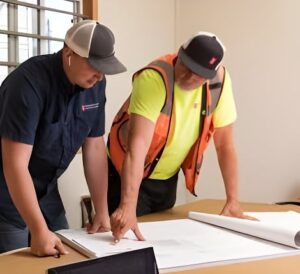
For a patio installation contractor, the first useful conversation should involve the property itself. Is the yard sloped? Where does rainwater currently travel? Is the proposed patio close to the house foundation? Will concrete need to be moved through a narrow side yard? Is an existing slab being removed? Will the area eventually support a pergola or outdoor kitchen?
Those details affect excavation, grading, reinforcement, concrete placement, and the final cost.
A practical High-Level Outdoor Patio Builder in Eastern Washington should also explain the finishing choices in plain language. A broom finish generally provides useful texture for outdoor foot traffic. Stamped patterns can create a more decorative appearance, but they require careful timing during placement and finishing. Colored or stained surfaces can change the character of the yard without adding a complicated pattern.
One useful distinction often missed in generic patio content is appearance versus repairability. A plain slab is relatively straightforward to patch or replace in sections. Highly decorative concrete can be more difficult to match if a future repair becomes necessary. That does not make decorative concrete a bad choice; it simply belongs in the decision before installation, not after damage occurs.
The installation sequence matters just as much. Properly compacted aggregate creates a stable working platform. Reinforcement can help manage stresses. Control joints provide planned locations for shrinkage cracking. Correct finishing avoids damaging the surface paste, while appropriate curing gives the concrete time to develop strength.
Local public construction documents reinforce the importance of cold-weather placement and protection, including precautions around freezing temperatures and frozen subgrades.
Practical Tips: What to Know Before You Decide
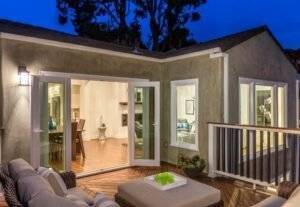
Start with how you will actually use the patio. If the goal is weekend grilling and a small seating area, a simple rectangular slab may be all you need. If you want dining, lounge furniture, a fire feature, or an outdoor kitchen, sketch those elements onto the proposed footprint before deciding the final dimensions.
Working with clients in Eastern Washington, our team found that homeowners often underestimate the space required around furniture and doors. A patio that looks generous on paper can feel cramped once a table, chairs, grill, and people are occupying it.
For custom patio construction, think about traffic flow as well as square footage. Leave comfortable walking paths between the house, yard, seating, and cooking areas. Door swings and steps should be considered before forms are built.
If you are considering Affordable Backyard Patio Remodeling, inspect the existing slab rather than assuming replacement is necessary. Small surface defects may be repairable, while significant settlement, structural cracking, drainage problems, or widespread spalling may justify starting over.
A covered patio installation needs extra planning. Posts, roof structures, electrical work, drainage, and footings can change the scope substantially. If a roof or pergola is part of the long-term plan, mention it before the concrete is poured so the supporting structure can be properly considered.
Another local-market tip: get the access plan in writing. A backyard that cannot be reached directly by a concrete truck may require wheelbarrows, a pump, specialized equipment, or additional labor. Difficult access, slopes, demolition, and grading can materially increase a patio project’s price.
Finally, ask for more than a final number. A trustworthy patio concrete contractor should be able to explain the proposed thickness, base preparation, reinforcement, joint layout, drainage, finish, curing, demolition, cleanup, and any permit responsibilities that apply to your property.
The questions worth asking before signing
- How will water drain away from the house?
- What material will be used beneath the slab?
- How will the base be compacted?
- Where will control joints be placed?
- What reinforcement is appropriate for this project?
- How will existing concrete or unsuitable soil be handled?
- How will the slab be protected during curing?
- Are permits or approvals required for the planned structure?
Spokane’s residential permitting guidance also advises homeowners to determine whether their property falls within city or county jurisdiction before proceeding with residential exterior work.
Build the Patio Around Long-Term Use
A successful patio is more than a fresh slab; it is a carefully planned outdoor surface that fits the property, manages water, and matches how your household will use the space. If you are comparing patios installation options in Eastern Washington, focus your quotes on preparation and construction details rather than price alone. North Cascades Concrete can be part of that comparison for homeowners planning patio work in Eastern Washington, with the next sensible step being a site-specific assessment and written scope.
FAQs
How much does a concrete patio cost in Eastern Washington?
Concrete patio pricing varies with size, access, demolition, grading, reinforcement, finish, and site conditions. National 2026 estimates commonly place basic projects in the several-thousand-dollar range, while decorative or difficult sites can cost considerably more. Local quotes are more useful than a generic square-foot figure because Eastern Washington properties vary significantly.
How long does a new concrete patio last?
A properly designed and installed patio can provide many years of service, but lifespan depends on drainage, soil conditions, concrete quality, reinforcement, joint placement, maintenance, and weather exposure. Eastern Washington’s freeze-thaw cycles make preparation especially important. No reputable contractor should promise that concrete will never crack; the goal is controlled, durable performance.
Is a stamped concrete patio a good choice for Eastern Washington?
A stamped concrete patio can be a good option if you want the appearance of stone or brick without using individual pavers. The tradeoff is that decorative concrete can be harder to match during future repairs. Freeze-thaw exposure also makes proper base preparation, drainage, joint placement, sealing, and installation timing particularly important in this region.
How do I know a patio contractor is legitimate?
Check that the contractor can clearly explain the scope, materials, drainage plan, reinforcement, joint layout, timeline, payment terms, and warranty. Ask for recent local references or completed projects, verify applicable licensing and insurance, and request a written estimate. A legitimate contractor should be comfortable explaining what happens beneath the finished surface, not just showing photographs.
Should I repair or replace my existing concrete patio?
Repair may make sense for limited surface damage, minor cracks, or isolated defects when the underlying slab remains stable. Replacement is more appropriate when you have substantial settlement, widespread deterioration, serious drainage problems, or structural cracking. A professional assessment should consider the cause of the damage rather than simply covering visible defects.